Loading...
- Home

- Blogs
- Credit Score
- Improve Cibil Score 600 To 750
How to Increase CIBIL Score from 600 to 750: Practical Steps That Work
Reviewed by: Fibe Research Team
- Updated on: 8 May 2026
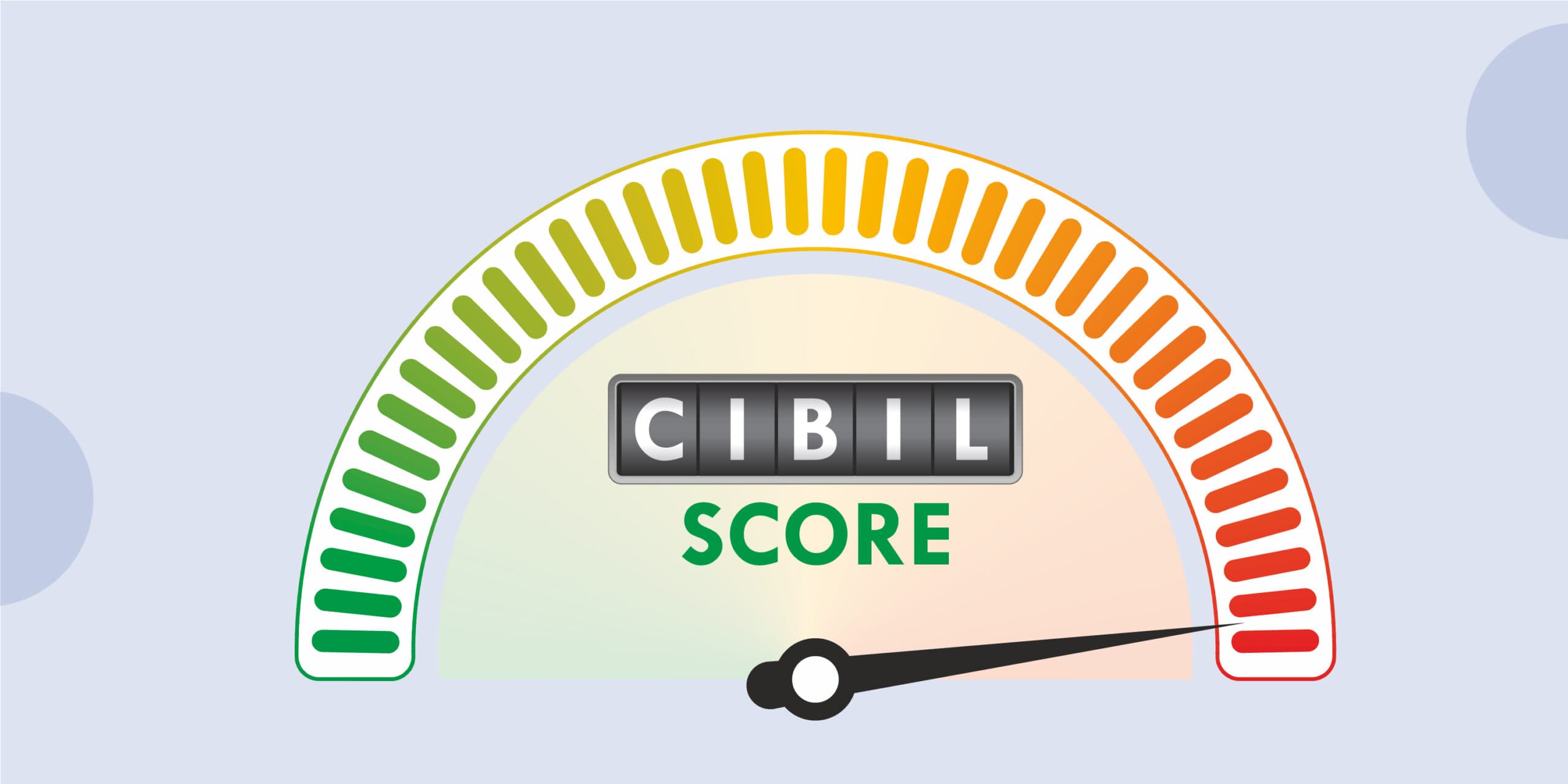
If your 600 Credit Score is preventing you from getting better loan offers, many borrowers often wonder how to increase CIBIL score from 600 to 750 and qualify for better credit opportunities. The good news is that improving it to a range closer to 750 is definitely within your reach. The key to improving your credit score is to make timely payments on your EMI, credit card bills, keep your Credit Utilization Ratio low (below 30% is good), avoid applying for too many loans or credit cards, maintain a healthy credit mix, and regularly check your credit report for any errors. By following these habits diligently, you will notice a significant improvement in your credit score within a span of six to twelve months. This will allow you to avail credit facilities when you need it the most.
Table of Contents
- What is a Credit Score and Why It Matters
- What Happens When your Score is Low
- What are the benefits of a Higher Score
- What Is Considered a Good CIBIL Score?
- How to Improve Your Score
- Practical Steps That Can Improve Your Score
- How Long Each Action Takes to Improve Your Score
- Frequently Asked Questions
What is a Credit Score and Why It Matters
Your credit score plays a major role whenever you apply for credit. Lenders use it to assess how reliably you’ve handled loans and credit cards in the past.
In India, there are credit bureaus like TransUnion CIBIL, Experian, Equifax and CRIF High Mark that track your credit behaviour and assign you a score between 300 and 900.
A higher score tells lenders you’re responsible with credit. A lower score suggests more risk, which can lead to rejections or expensive loan terms. Understanding your score is the first step if you want to increase CIBIL score and improve your chances of getting approved for loans.
What Happens When your Score is Low
If your score is around 600, lenders may see you as a higher-risk borrower. This usually means:
• Fewer loan approvals
• Higher interest rates
• Lower credit limits
Even when you do get approved, the terms may not be as favourable. Improving your score can make a noticeable difference in the offers you receive.
What are the benefits of a Higher Score
A score above 750 puts you in a strong position with lenders. With a higher score, you may qualify for premium credit cards, faster loan approvals, and lower borrowing costs.
What Is Considered a Good CIBIL Score?
Lenders generally classify credit scores into the following categories:
| Credit Score Range | What It’s Considered | Typical Benefit |
|---|---|---|
| 750 – 900 | Excellent | Highest loan approval chances, lowest interest rates, access to premium credit cards and higher limits |
| 700 – 749 | Good | Strong approval chances with competitive interest rates |
| 650 – 699 | Fair | Moderate approval chances but usually higher interest rates |
| 600 – 649 | Low | Limited loan options and stricter approval conditions |
| Below 600 | Poor | Difficult to get loans or credit cards without collateral or a guarantor |
Most banks prefer borrowers with scores above 750, especially for larger loans or premium credit products.
How to Improve Your Score
If you’re wondering how to increase CIBIL score from 600 to 750, the process usually doesn’t require complicated tactics. It mainly comes down to a few consistent behaviours.
Pay Every Bill on Time
Your payment history carries the most weight in your credit score. Missing even one EMI or credit card payment can hurt your profile. If you want to improve your score, focus on building a track record of on-time payments.
Setting up auto-debit or reminders can help ensure you never miss a due date. Over time, consistent payments gradually strengthen your credit profile.
Keep Credit Card Usage Low
The other major factor that influences your Credit Score is your usage of your credit limits. This is done through your Credit Utilisation Ratio, which is determined by your outstanding credit card balance against your total credit limit.
For example, if you are using most of your credit limit on a regular basis, this could be seen as a sign that you are living on borrowed money. On the other hand, if you are only using a small portion of your credit limits, this would be seen as a sign that you are financially responsible.
According to financial experts, you should ensure that your credit utilisation is not higher than 30% of your total credit limit.
| Credit Limit | Recommended Usage (30%) |
|---|---|
| ₹50,000 | ₹15,000 |
| ₹1,00,000 | ₹30,000 |
| ₹2,00,000 | ₹60,000 |
If possible, aim for even lower utilisation. Paying your credit card bill before the statement date can help keep the reported balance low.
Maintain a Healthy Credit Mix
Lenders prefer borrowers who can manage different types of credit responsibly, often referred to as your Credit Mix. A balanced profile usually includes both secured credit (backed by collateral) and unsecured credit.
A balanced credit profile may include:
• Secured loans such as home or auto loans
• Unsecured loans like a Personal Loan
• One or two Credit Card accounts
For example, a borrower with a car loan and one low-balance credit card may look more stable to lenders than someone who only has multiple credit cards with high balances. However, you shouldn’t take a loan just to improve your credit mix. Borrow only when it genuinely supports your financial needs.
Avoid Too Many Credit Applications
For each loan or credit card application you make, lenders conduct a hard inquiry on your credit report. A hard inquiry generally causes your credit score to fall by between 5–10 points each time, although this depends on your overall credit profile.
The impact is temporary, and your score will recover in a few months if you maintain good credit habits.
Too many credit applications in a short period, however, can cause your credit score to fall further because it signals financial stress. A good rule is to avoid applying for new credit within a short period of time.
Practical Steps That Can Improve Your Score
Besides good credit habits, there are a few steps you can take that may help you increase CIBIL score faster.
Check Your Credit Report Regularly
Firstly, it is important to check your credit report. There may be instances when incorrect information is available on your credit report.
There may be incorrect payment history, duplicate accounts, or accounts that may not even be yours. Such incorrect information may impact your credit score without your knowledge.
If you find any incorrect information on your credit report, you may dispute it with the credit bureau. In some cases, correcting incorrect information may help you improve CIBIL score.
According to a report prepared by TransUnion CIBIL, 46% of consumers were able to improve their credit score within six months of self-monitoring.
Regular monitoring also helps detect fraudulent activity on your credit report. You can check your credit score through a soft inquiry without affecting your score.
Reduce Outstanding Credit Card Balances
High balances can push your credit utilisation up and pull your score down. Lowering your balances is one of the fastest ways to increase CIBIL score.
To reduce balances faster, you could:
• Pay more than the minimum amount due
• Make multiple payments during the month
• Request a higher credit limit without increasing spending
Consistently keeping your utilisation low sends a strong signal to lenders that you manage credit responsibly. Over time, this habit can lead to higher credit limits and better loan offers.
Keep Older Accounts Active
The age of your credit history also matters.
Closing older accounts can shorten your credit history and reduce your available credit limit. This may negatively affect your credit score.
If you have older credit cards that you rarely use, consider making a small purchase occasionally so the account remains active.
Build Financial Discipline
The first step in building financial discipline is to follow a simple budget, which includes your loan EMIs, credit card bills, and other expenses.
Building an emergency fund, which can sustain you for three to six months, will help you avoid going into debt in bad times. This will positively impact your CIBIL score as well as your financial discipline.
How Long Each Action Takes to Improve Your Score
It is a known fact that improving your Credit Score does not happen overnight, as lenders and credit bureaus look at your entire financial history.
While there are no overnight fixes, continuous improvement in your financial discipline will start reflecting on your Credit Score in a few months’ time.
| Action | Typical Impact Timeline |
|---|---|
| Paying EMIs and credit cards on time | 1–3 months |
| Reducing credit card balances | 1–2 months |
| Correcting credit report errors | 30–45 days |
| Avoiding multiple loan applications | 3–6 months |
Expert Insight
“A credit score reflects a borrower’s financial discipline over time. Simple habits like paying EMIs on time, maintaining low credit utilisation, and avoiding unnecessary credit applications can significantly improve a person’s credit profile. The key is consistency—responsible behaviour over a few months can gradually build a strong and reliable credit history.”
— Mohit Sharma, Chief Risk Officer, Fibe
Frequently Asked Questions
Can you improve your CIBIL score without taking a new loan?
Yes. You can improve your score by managing existing credit responsibly—paying bills on time, keeping balances low, and correcting errors in your credit report.
Is a CIBIL score of 600 bad?
A score of 600 is considered fair but not ideal. Many lenders prefer scores above 750 for their best loan offers.
How long does it take to reach 750?
With disciplined credit behaviour, many people see significant improvement within six to twelve months. However, if your report contains older defaults or settlements, improvement may take longer.
Do credit card payments improve your score?
Yes. Paying your credit card bill on time and in full builds a strong payment history, which is one of the most important factors in your credit score.
What utilisation ratio is best?
Keeping your utilisation below 30% is recommended, while maintaining 10–20% is considered ideal.
If your score is currently around 600 and you are wondering how to increase CIBIL score from 600 to 750, the goal is very achievable with consistent financial habits. Paying bills on time, keeping credit card balances low, and avoiding unnecessary loan applications can steadily increase CIBIL score over time. With discipline and responsible credit behaviour, you can gradually improve CIBIL score and unlock better financial opportunities when you need them.
Share

Select Category
Recent Post
How to Increase CIBIL Score from 600 to 750: Practical Steps That Work
Credit Score|3 mins read
Best Way to Finance MBA or Professional Certification in India
Finance|3 mins read
Top 5 Loan Apps for Self-Employed in India
Personal Loan|3 mins read
Top 7 Loan Apps for Women in India
Personal Loan|3 mins read
Related Post
“NA” or “NH” in CIBIL Report: Meaning, Impact & How to Fix It
Credit Score|4 May 2026
How to Update Personal Information on Credit Report?
Credit Score|17 Apr 2026
How Paying Rent or Utility Bills Boost Your Credit Score?
Credit Score|17 Apr 2026
Loan Closed but Still Active in CIBIL? Here’s Exactly How to Fix It Fast
Credit Score|17 Apr 2026
Our Products
Calculators

Author: Jayshree Gope
She works as a Deputy Manager at Fibe (Previously EarlySalary) in Pune. She is a fintech content expert with 8+ years specialising in Data-driven content for lending platforms and financial services.
Connect with her on LinkedIn
Most trending blogs
Best Way to Finance MBA or Professional Certification in India
Finance | 3 mins read
How to Manage EMI After Losing Your Job?
Finance | 3 mins read
Reasons Why the Indian Financial Year Starts in April
Finance | 3 mins read
Union Budget 2026-27: Key Highlights & What It Means for Salaried Professionals
Finance | 3 mins read
Adulting with Money? Start with the 50/30/20 Rule
Finance | 3 mins read
Top 10 Personal Finance Mistakes to Avoid in Your 20s and 30s
Finance | 3 mins read